Absolutely NO… before I say YES.
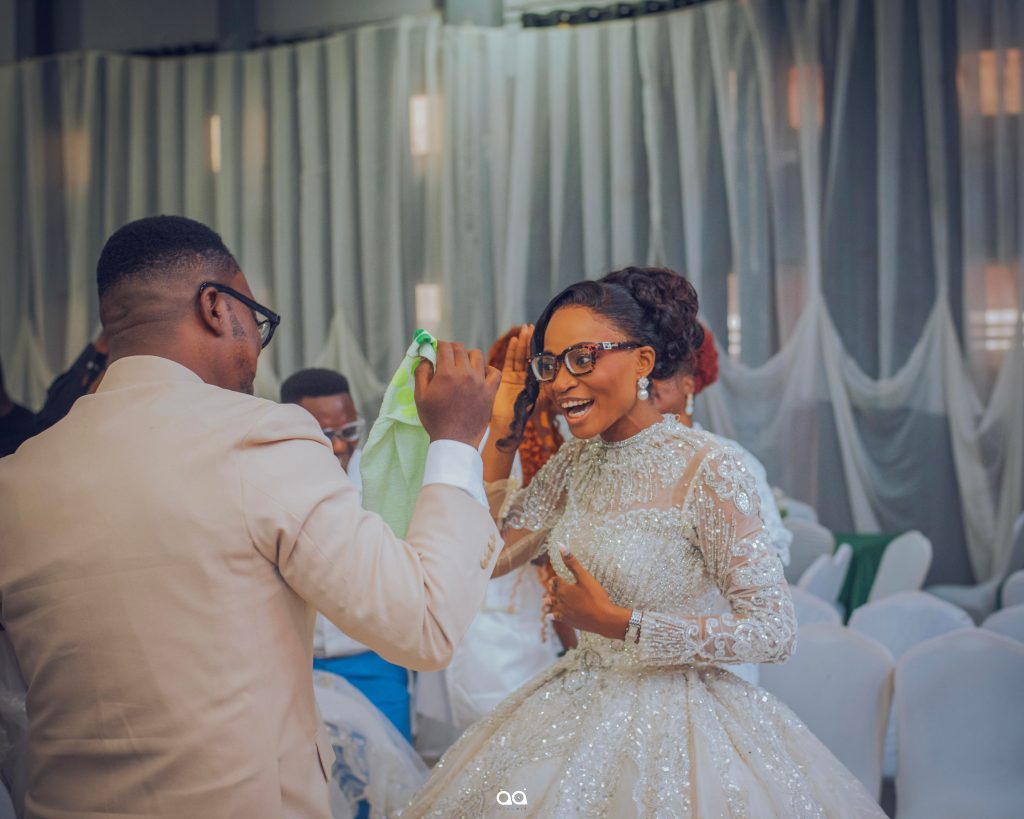
If you’re thinking, “Do I really need to do a traditional wedding AND a white wedding?”, let me break it down for you. As someone who has anchored hundreds of Nigerian weddings: traditional, church, and receptions — I’ve seen couples struggle with this question.
The truth? You don’t have to do both. But here’s why doing both can sometimes be more advantageous, culturally, spiritually, and even socially.
Why People Say “NO”
Some couples feel overwhelmed:
- Two big celebrations, two sets of outfits, two guest lists
- Extra cost: traditional attire, church gown, reception décor
- Coordination stress: two ceremonies mean double planning
And honestly? If your marriage is about intimacy and shared values, a single ceremony; well-planned can be enough. You can even have your wedding during a Sunday worship service! (funny but real. I have experienced one) See, I tell my couples, life is not hard! Wedding is not struggle, marriage is the real work!
A couple I worked with in Ibadan once told me:
“We just wanted to make our marriage official with our families. We would just have our pastors pray for us at the ceremony”. And was that event beautiful, absolutely. (PS: I am in no way advocating this because of couples that avoid church wedding due to fornication and before-marriage pregnancy).
This is what’s valid; You don’t have to follow societal expectations blindly.
But Here’s Why a “YES” Can Be Advantageous
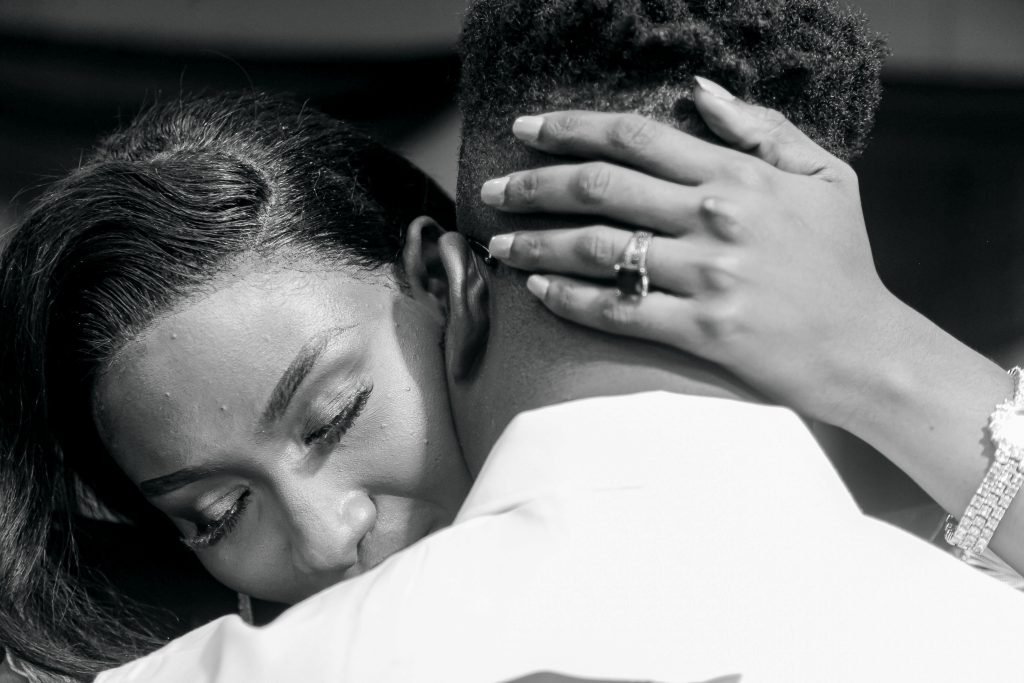
Doing both ceremonies has benefits that go beyond Instagram reels and the “awwnnnnnns”:
Cultural Preservation
Traditional weddings (Ìdáná igbeyawo) are about culture, heritage, and family. They tell your story: from family introductions to prostrations (idobale), bride price and more.
Skipping all these can mean missing out on meaningful cultural markers that makes families connect for this purpose. For diaspora or intercultural couples, this is often the only way to immerse in Nigerian heritage authentically.
Legal & Religious Recognition
A white wedding or church ceremony provides: spiritual blessings, Legal registration (depending on your location especially in diaspora churches) and the opportunity to include spiritual vows in addition to cultural rites
Some couples do a traditional wedding first, then a church wedding later for spiritual and legal closure. This is even sweet especially when one partner isn’t Nigerian, the dual wedding approach bridges understanding of traditional ceremony educates your partner about Yoruba customs while White wedding balances universal wedding expectations, thus making guests from both sides feel included.
Guest Management
Think of it like this:
- Traditional wedding = family and culture-heavy guests
- White wedding = brethren, friends, colleagues, and broader social circle
Doing both allows you to honour elders while celebrating with friends , without squeezing everyone into one event.
Social Media & Memories
Yes, it’s 2026. But beyond likes and reels, the two ceremonies capture different stories:
- Traditional wedding = raw culture, family interactions, laughter, negotiations
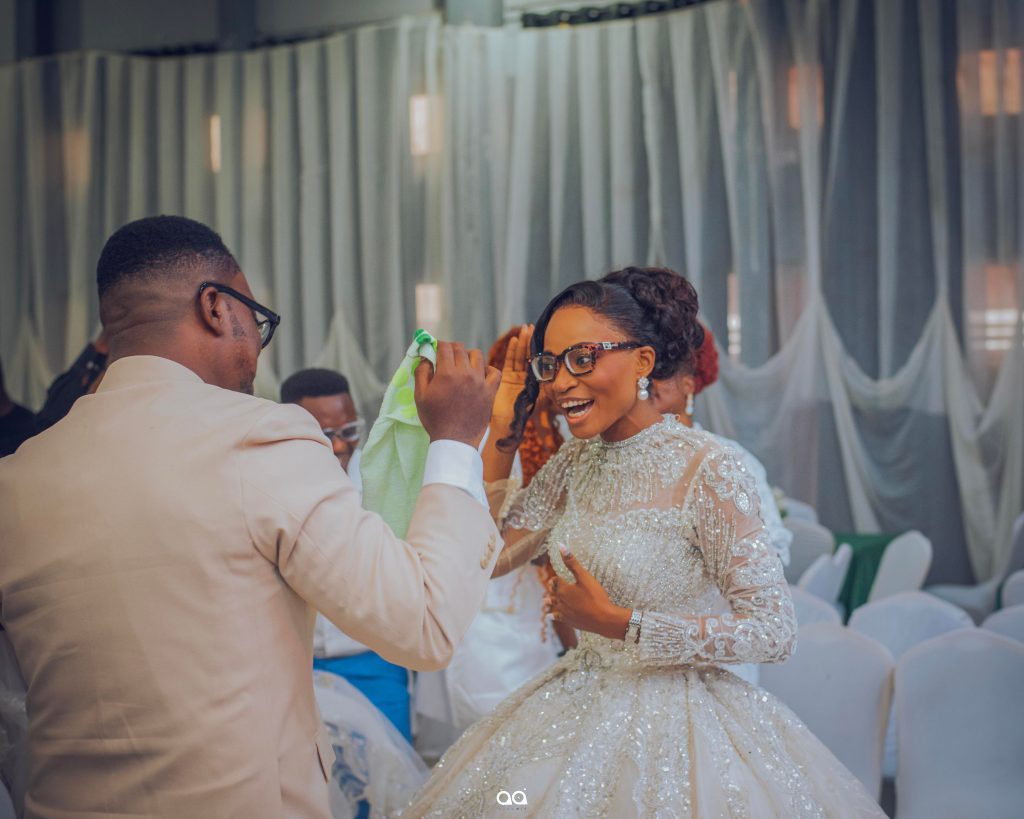
- White wedding = formal elegance, vows, dancing, party energy
You get two sets of memories, two albums, and twice the joy or even double!!!
So my advice as Teju Alaga? Assess your priorities, your family expectations, and your budget. If done intentionally, two ceremonies can be a blessing; not just an obligation while one can also mean more than a blessing if done well and coordinated right!